
Culture and Art University, Unit 48, Tehran
Achievements, Honors, Workshops, and Active Academic Departments
Established in 2003 | Top National Ranking | No- Entrance- Exam Admission & Enrollment Guide
UAST Art and Culture Center (Unit 48, Tehran) officially commenced operations in 2003 under the Ministry of Science. Today, with around 280 prominent professors and 2,300 active students, it is recognized as a leading center for specialized and artistic education in the country
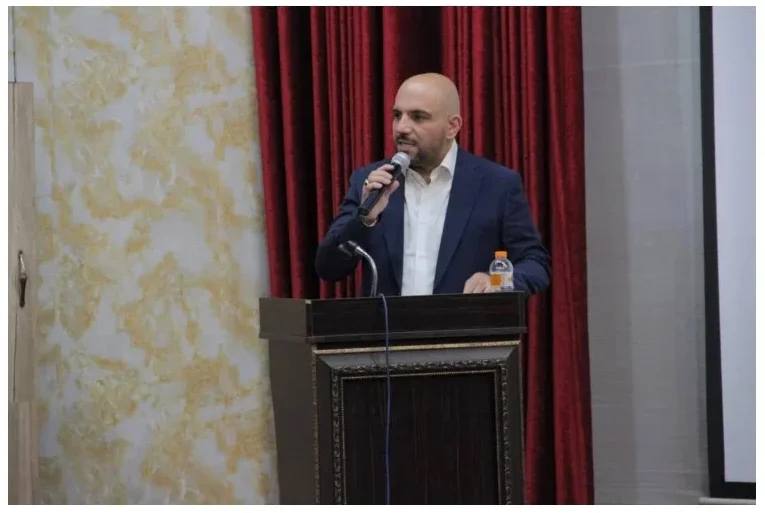
Unit 48 presents an applied model of higher education centered on specialized arts training, experienced faculty, and a direct relationship with professional practice. Its scale – approximately 2,300 active students and more than 17,000 graduates – reflects a long- standing educational presence in Tehran’s creative sector.
Emphasis on workshop- based training and market connection, led by Dr. Seyed Hossein Agha Seyed Morteza, with more than 17,000 graduates.
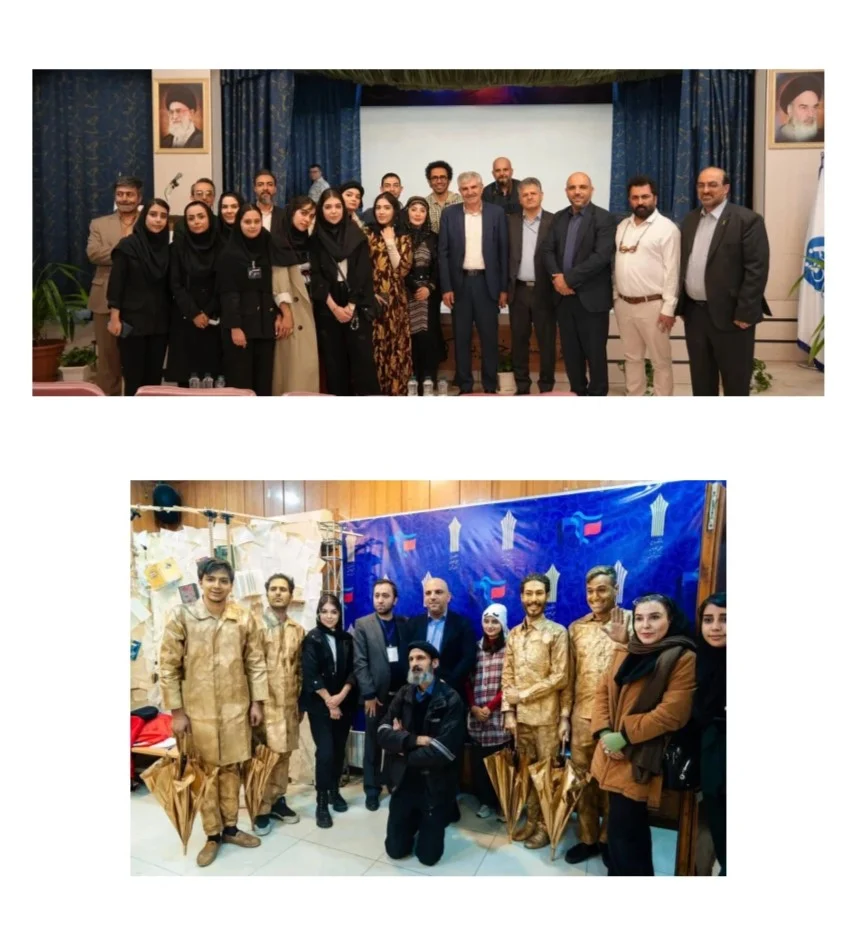
The educational approach emphasizes learning by doing. Workshops, student projects, festivals, exhibitions, performances, and field activities are used to help students turn academic knowledge into demonstrable skills and professional confidence.
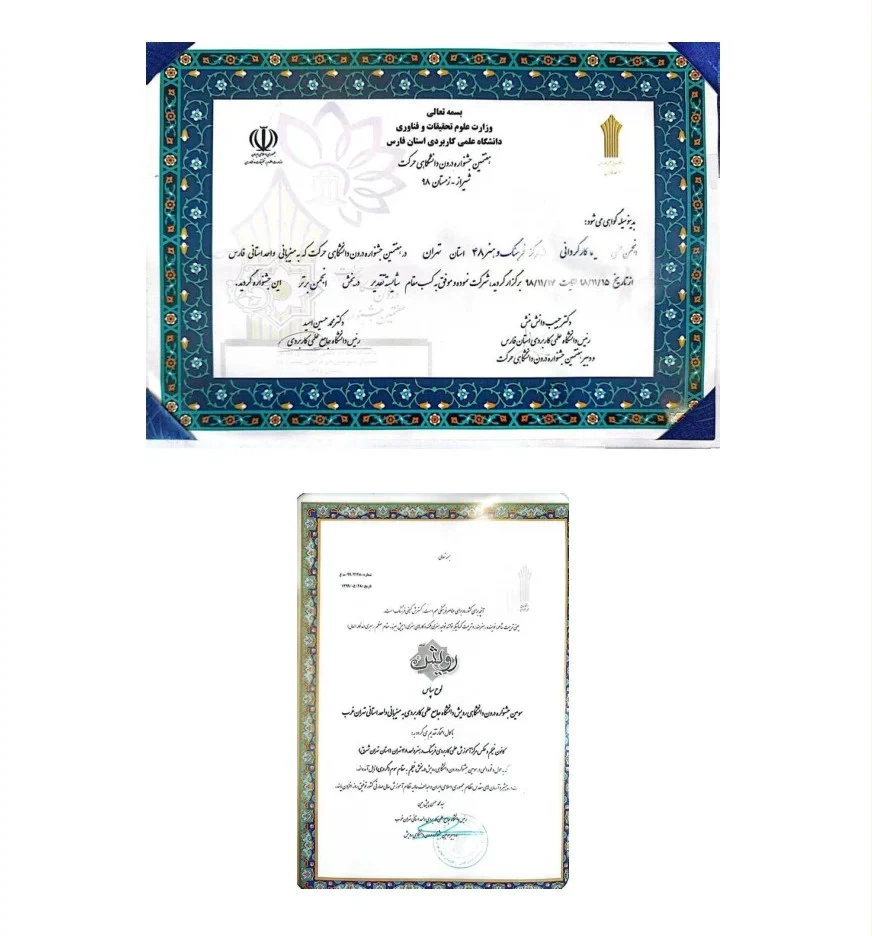
Awarded Best Applied Science Center in Tehran (2025), recognized as a top national research center, and a winner in the Harakat and Ruyesh festivals.
The center’s record reflects its emphasis on applied education, research, entrepreneurship, and student achievement.
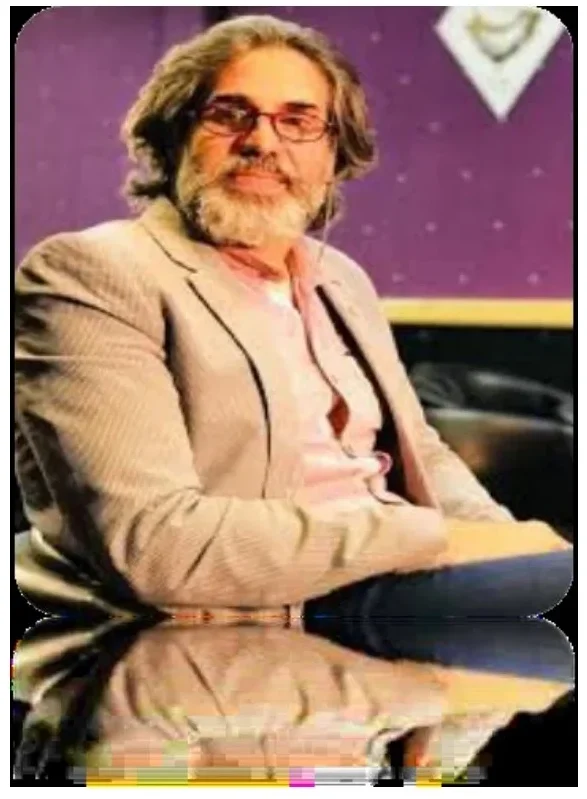
Managed by Dr. Soroush Asnaghi, featuring prominent faculty members such as Pejman Bazeghi and Majid Ghanad, with active student festivals since 2021.
Students develop performance skills through repeated practice, faculty feedback, and exposure to theater, cinema, television, and festival settings. The department is structured to help students turn technique into confident, camera- and stage- ready performance.
Student focus: performance discipline, voice and expression, character work, collaboration, and professional presentation.
The department supports hands- on acting education through faculty engagement, workshops, student productions, and festival activities.
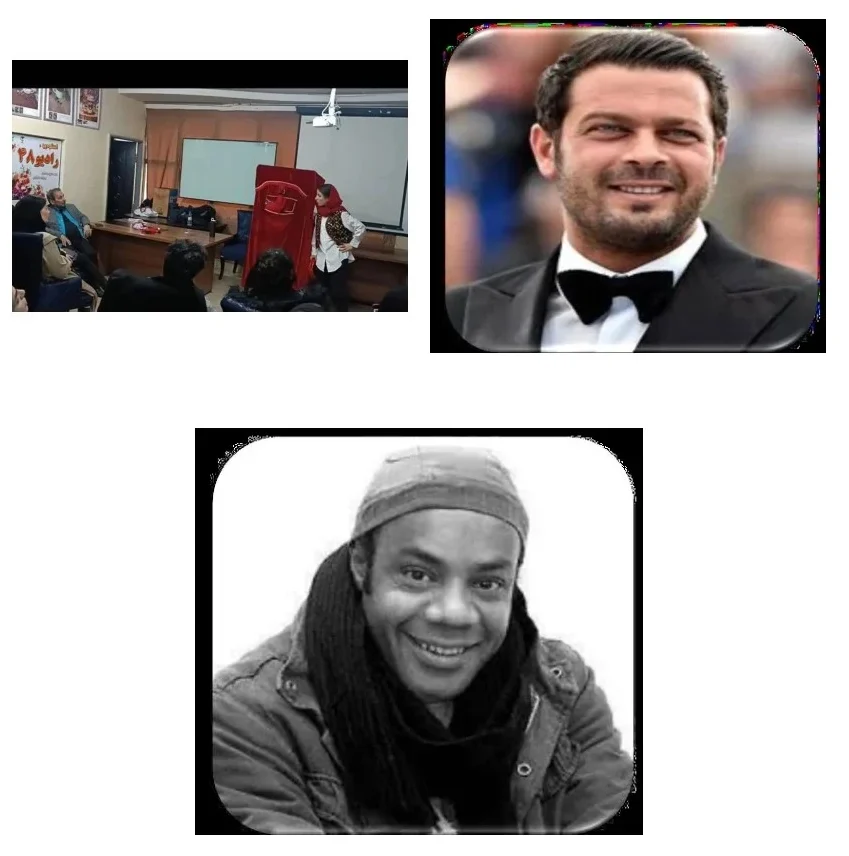
Workshops and student festivals give learners a practical setting to rehearse, perform, receive feedback, and build experience beyond the classroom. This creates a stronger bridge between academic training and the realities of auditions, productions, and live performance.
Career direction: acting, performance projects, theater and screen productions, and portfolio- building activities.
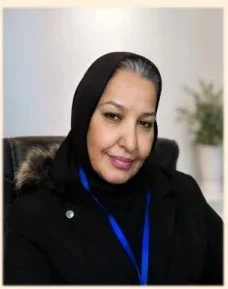
Headed by Ms. Sedigheh Shokoofi, the department is equipped with industrial workshops and features live ethnic-clothing shows and Al-assisted fashion-design activities.
Fashion students work in an applied environment that connects design thinking with garment development, workshops, live presentations, and emerging digital tools. The program encourages students to build both creative identity and practical awareness of the apparel industry.
Student focus: concept development, garment design, presentation, workshop practice, and industry awareness.
The fashion program combines practical design, garment development, exhibitions, student activities, and contemporary digital tools.
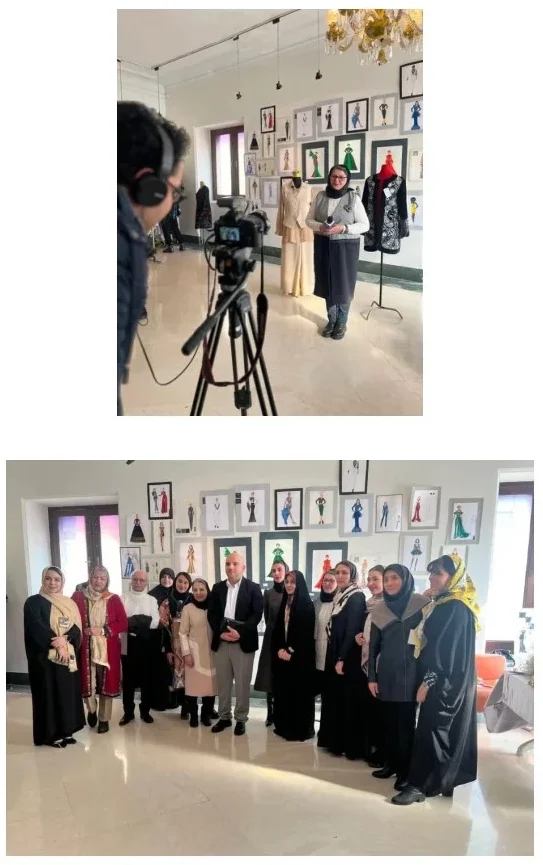
Exhibitions, competitions, and specialized workshops allow students to present ideas, refine technical execution, and understand how a design moves from concept toward a finished product. Al- assisted fashion activities add a contemporary digital dimension to the learning experience.
Career direction: fashion design, apparel development, creative production, exhibitions, and design portfolios.
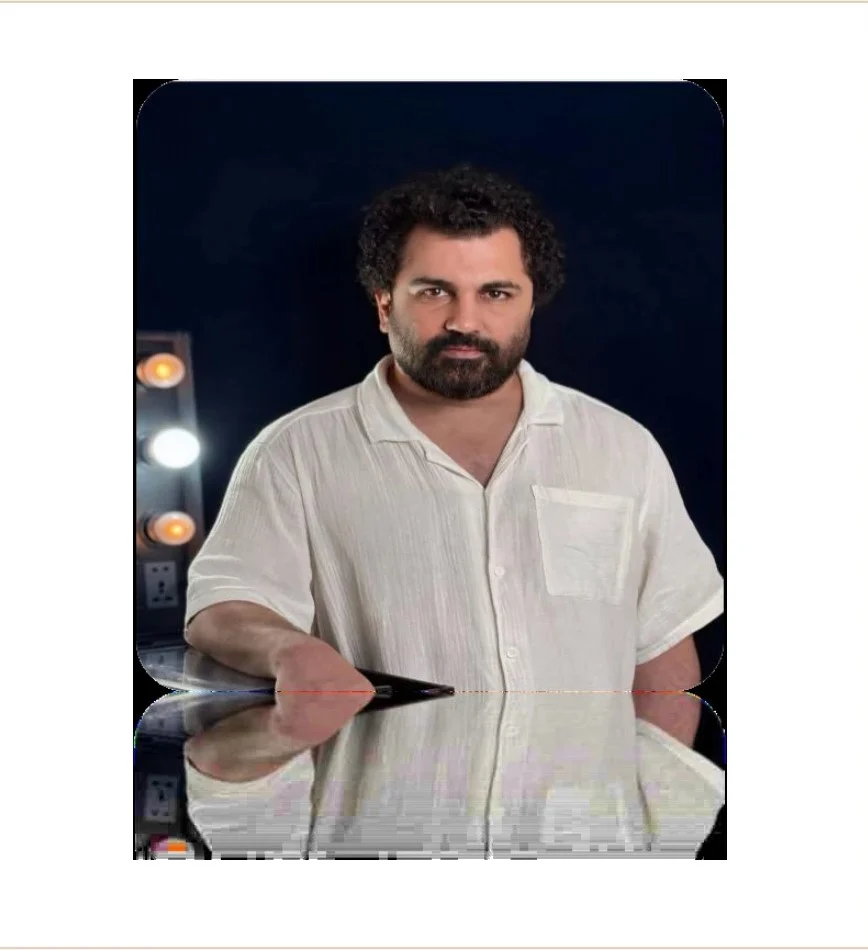
Led by Mr. Seyed Ali Askari, identified in the booklet as the makeup designer of Mokhtarnameh, the department teaches professional and 3D makeup and has presented five editions of national live makeup festivals.
The program emphasizes hands- on makeup and face- design practice for visual media and live presentation. Students are introduced to professional techniques, including 3D makeup, in an environment shaped by industry experience and festival- based practice.
Student focus: professional makeup technique, face design, 3D applications, live execution, and presentation skills.
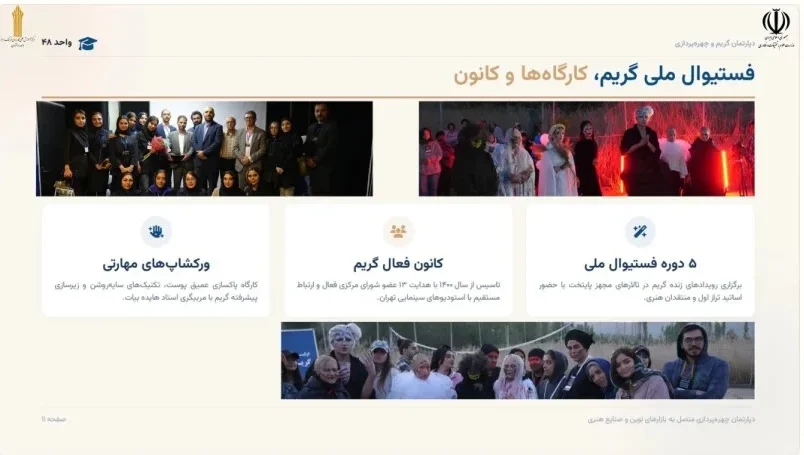
The department?s festival and workshop activities provide students with opportunities to practice professional makeup techniques in live settings.
Live festival settings challenge students to work with greater precision, timing, creativity, and professional presentation. These experiences help learners move beyond isolated classroom exercises and practice techniques in a more public, performance- oriented environment.
Career direction: cinema and television makeup, live events, creative makeup projects, and professional portfolio development.
Managed by Mr. Alireza Toosi, the department focuses on digital marketing and entrepreneurship, including student ?Idea- to- Product? exhibitions.
Business Management connects digital marketing and entrepreneurship with practical student projects. The program encourages learners to think beyond theory by developing ideas, considering markets, and presenting concepts in a more business- ready format.
Student focus: digital marketing, entrepreneurship, product thinking, communication, and market- oriented decision- making.
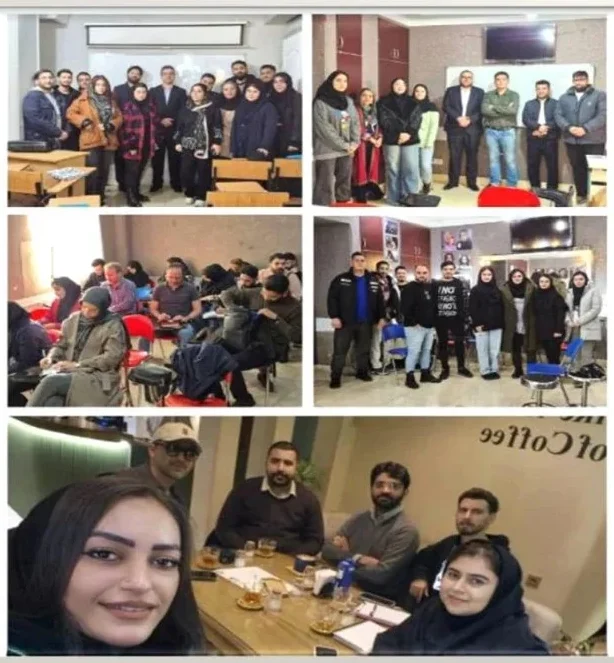
Student activities connect management education with entrepreneurship, product development, marketing, and practical business experience.
The Idea- to- Product approach gives students a framework for turning an initial concept into a clearer value proposition and presentation. Scientific- association activities add teamwork, networking, and project experience to the academic program.
Career direction: entrepreneurship, marketing, business development, project coordination, and startup- oriented work.
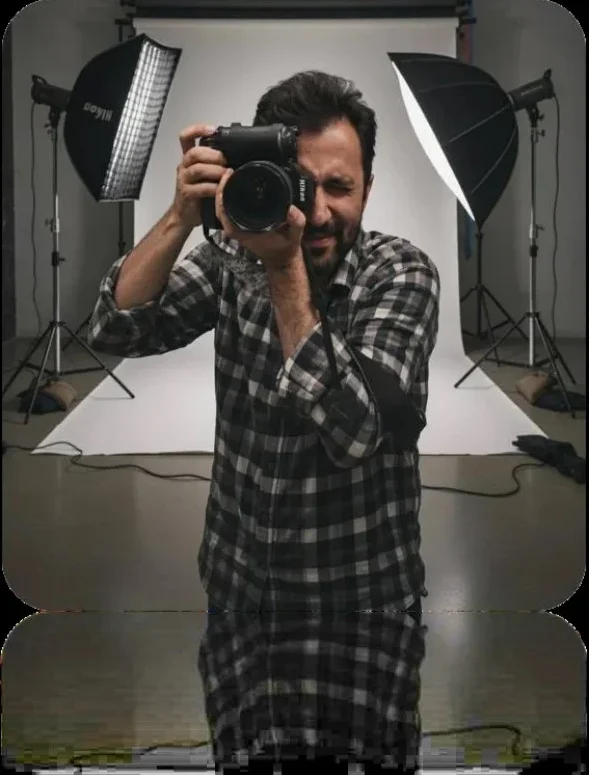
Headed by Mr. Mohsen Fateh- pour, the department specializes in studio lighting and conducts documentary photo tours in historic Iranian cities.
Photography students combine studio technique with documentary observation and field experience. Training in lighting and photo tours helps students learn to control an image technically while also developing a stronger visual point of view.
Student focus: lighting, composition, visual storytelling, documentary practice, and portfolio development.
The photography program combines studio practice, documentary work, exhibitions, and research- oriented field trips.
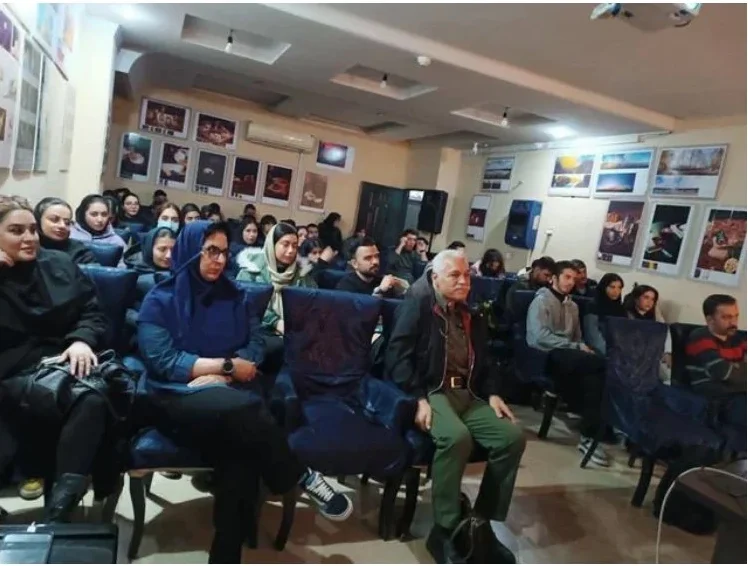
Exhibitions and documentary tours give students real subjects, locations, and presentation opportunities. By photographing cultural and architectural environments, students practice research, observation, sequencing, and the communication of a visual narrative.
Career direction: studio photography, documentary work, visual content, cultural projects, and professional portfolios.
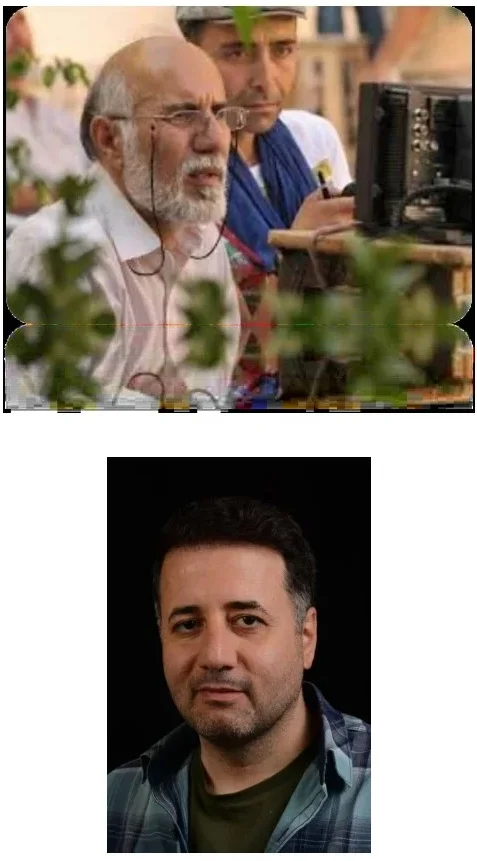 Led by Mr. Gholam- Abbas Ranjbar, the department teaches staging and decoupage, hosts short- film festivals, and supports pathways into television production. Department Assistant: Mr. Behnam Saed.
Directing education is built around visual planning and production practice. Students work with staging, decoupage, and short- form production concepts so they can understand how an idea is translated into shots, performances, and a coherent screen experience.
Student focus: visual storytelling, staging, shot planning, directing workflow, collaboration, and production discipline.
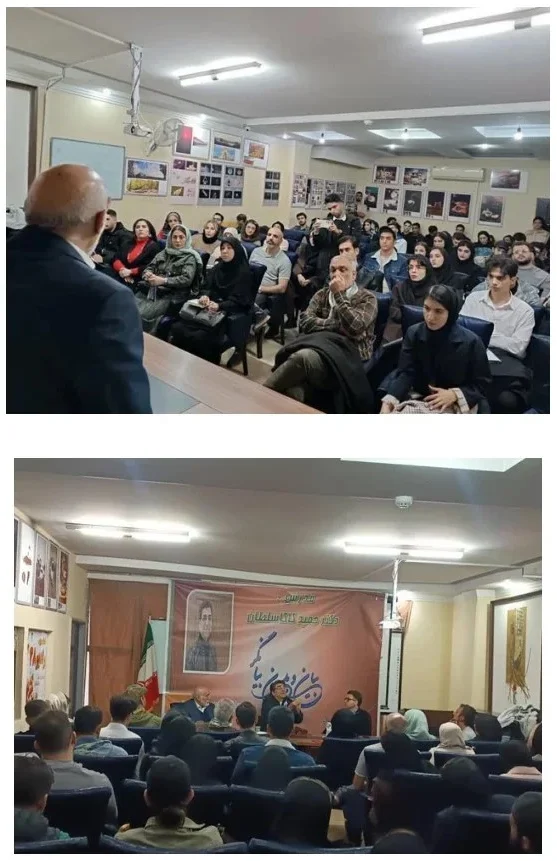
The directing program emphasizes production- based learning, including planning, staging, visual storytelling, short films, and student projects.
Student productions and workshops give learners a practical environment for making creative decisions, coordinating collaborators, and seeing projects through from planning to presentation. The emphasis is on learning by directing, reviewing, and refining actual work.
Career direction: film and television directing, short- form production, assistant directing, and portfolio- based creative work.
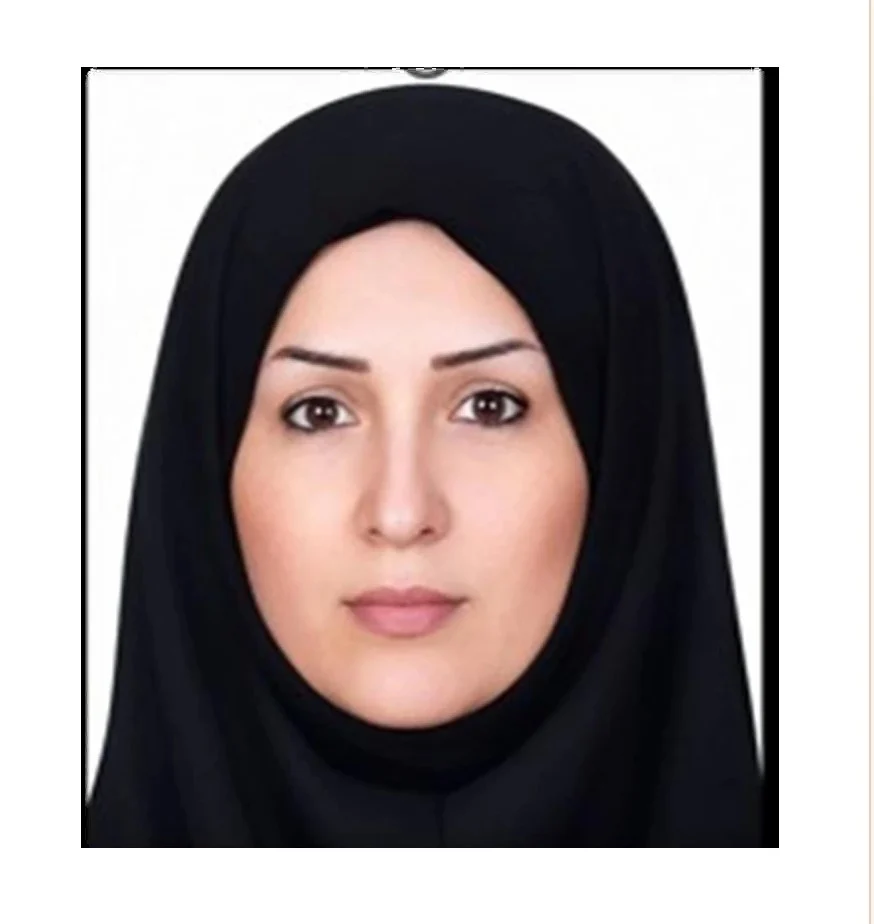
Directed by Professor Narges Safaei, the department teaches advanced CAD software, model- making workshops, and live sketch competitions evaluated by the district mayor.
Architecture students combine digital drafting with model making, sketching, and live design challenges. The program supports both technical accuracy and creative problem- solving, helping students communicate spatial ideas through multiple professional formats.
Student focus: CAD, modeling, sketching, visualization, design communication, and project presentation.
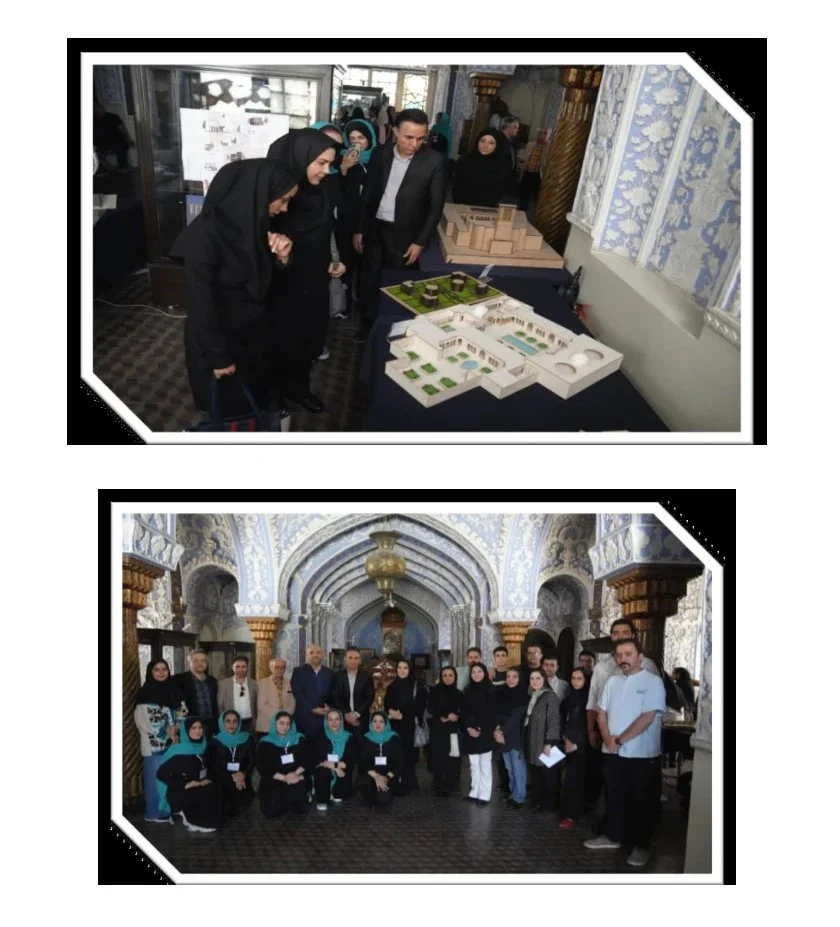 The program combines software skills, model making, sketching, rendering, architectural photography, and student competitions.
Workshops and competitions help students move between concept, drawing, model, rendering, and presentation. This repeated design process strengthens visual judgment and gives students material they can develop into a more professional academic and career portfolio.
Career direction: architectural visualization, drafting, model making, interior and spatial design support, and portfolio development.
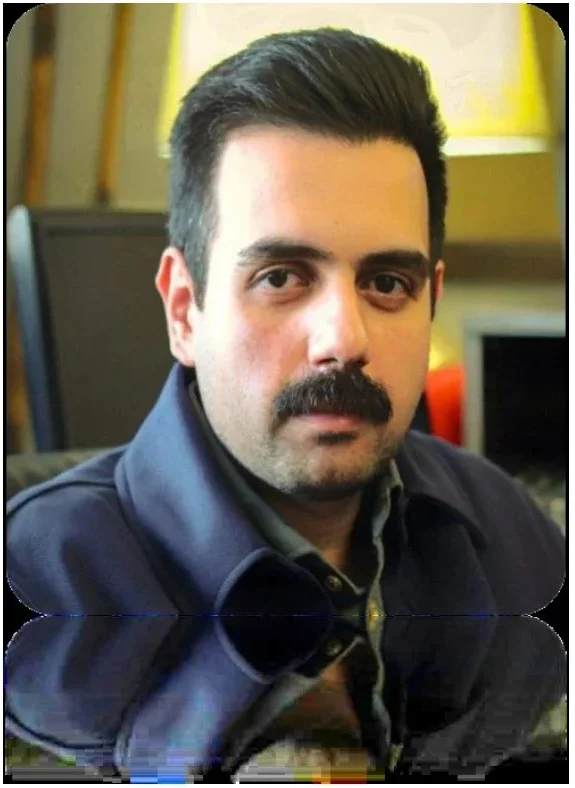
Headed by Mr. Milad Aghaei, the department teaches composition and orchestration and features the ?Chameh? student orchestra with live performances.
Music students study composition and orchestration in a setting that also values ensemble practice and live performance. The Chameh student orchestra gives learners an opportunity to experience the discipline, listening, coordination, and preparation required in group performance.
Student focus: composition, orchestration, ensemble skills, rehearsal discipline, musical communication, and live performance.
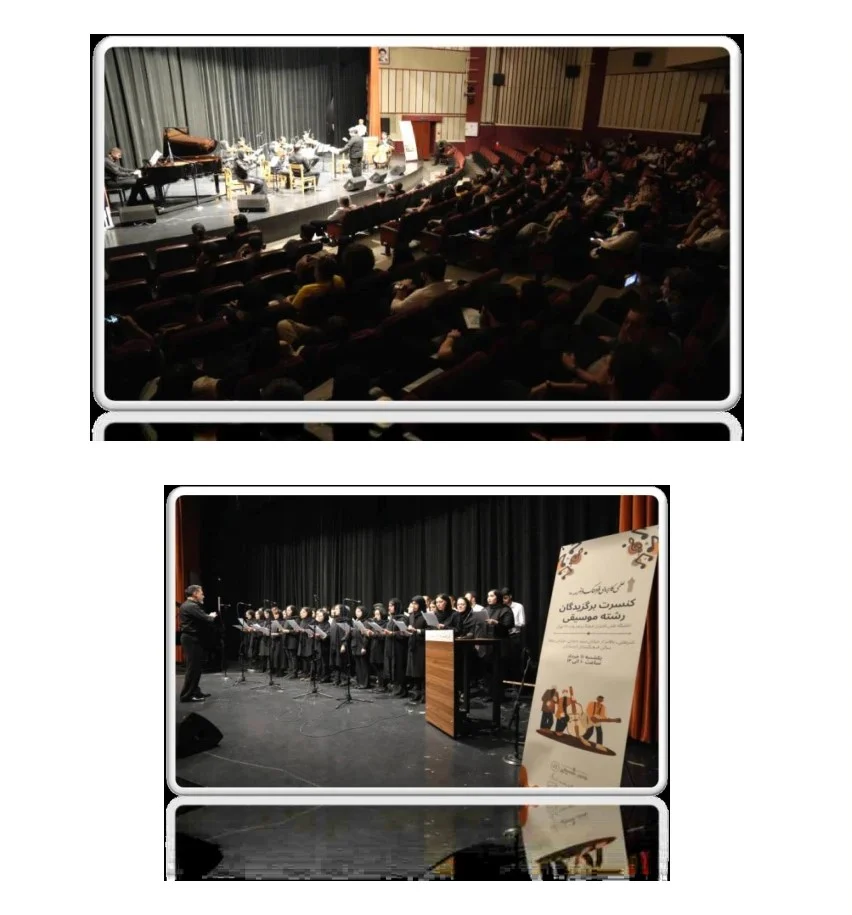 The music program supports live performance, ensemble work, composition, arranging, recording, and practical music production.
Workshops in recording, arranging, and practical production broaden the student’s experience beyond performance alone. Ensemble and concert activities help learners understand how musical ideas are prepared, rehearsed, produced, and presented to an audience.
Career direction: performance, composition, arranging, recording, ensemble work, and music- production projects.
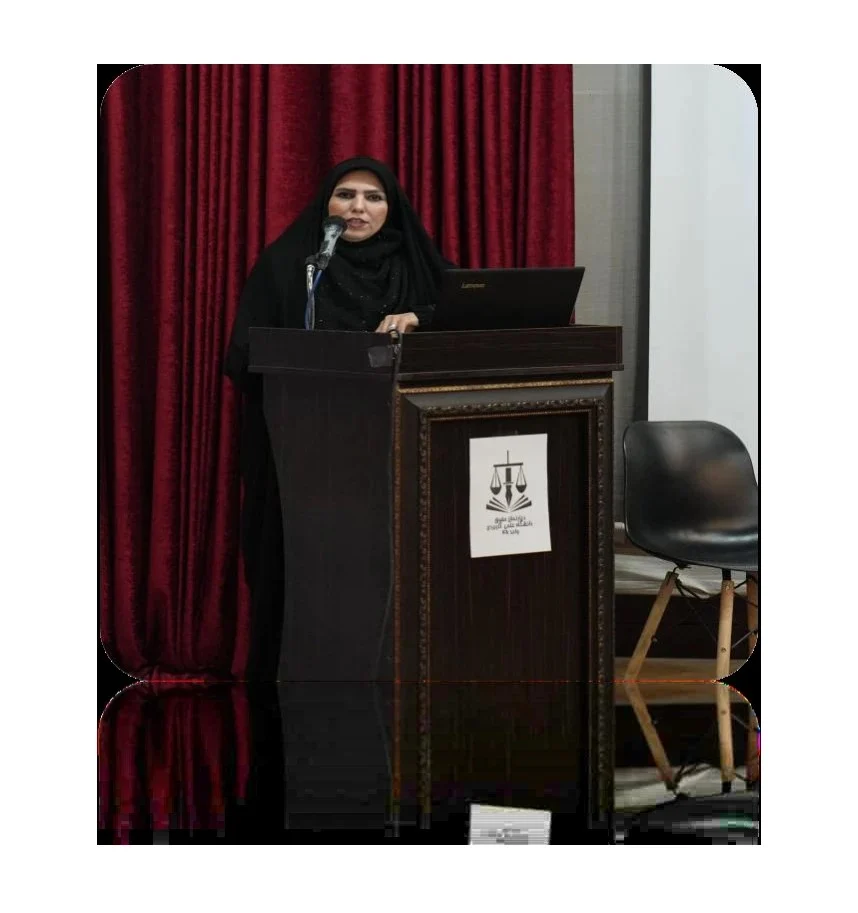
Led by Dr. Vajieheh Mohseni, the department teaches civil and registry law, organizes mock courts, and facilitates placement in law offices.
Civil and Registry Law combines academic legal study with practical exercises such as mock courts and exposure to law- office environments. The goal is to help students develop stronger legal reasoning, professional communication, and familiarity with applied legal processes.
Student focus: legal analysis, civil and registry law, case discussion, professional communication, and practical legal procedures.
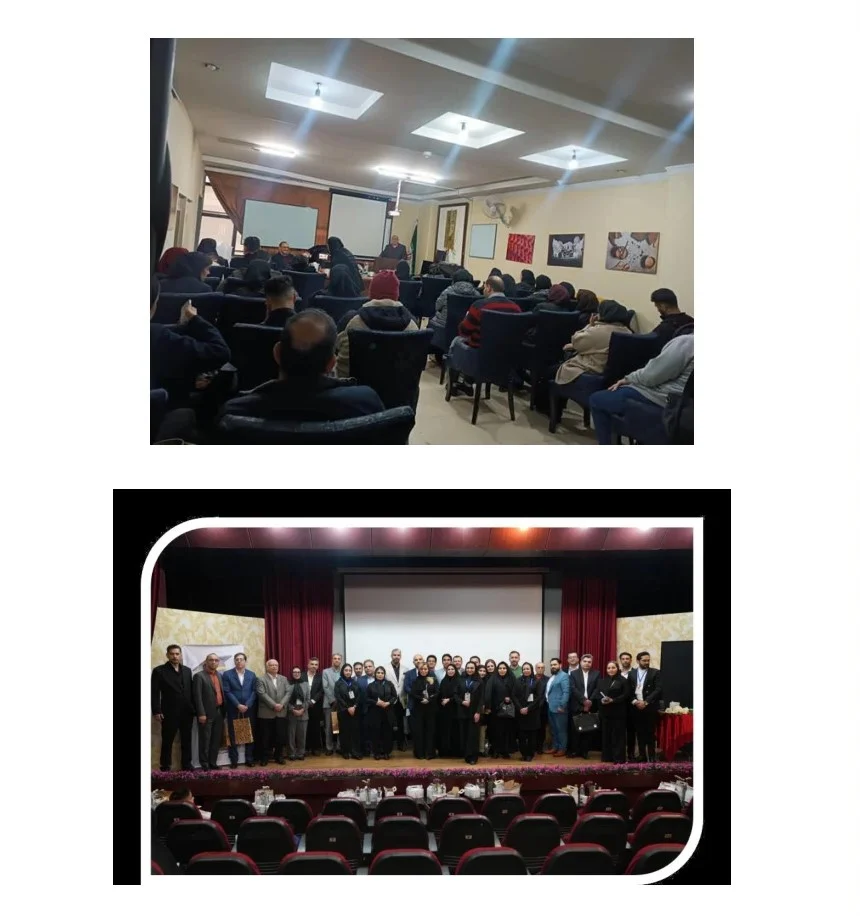
The center integrates academic education with practical workshops, student activities, entrepreneurship, and professional development.
Unit 48’s applied- education model is designed around the connection between academic study, workshops, student activities, entrepreneurship, and professional development. This approach gives students more opportunities to practice, present, collaborate, and build confidence in their chosen field.
Student value: practical experience, teamwork, professional presentation, portfolio building, and stronger career readiness.
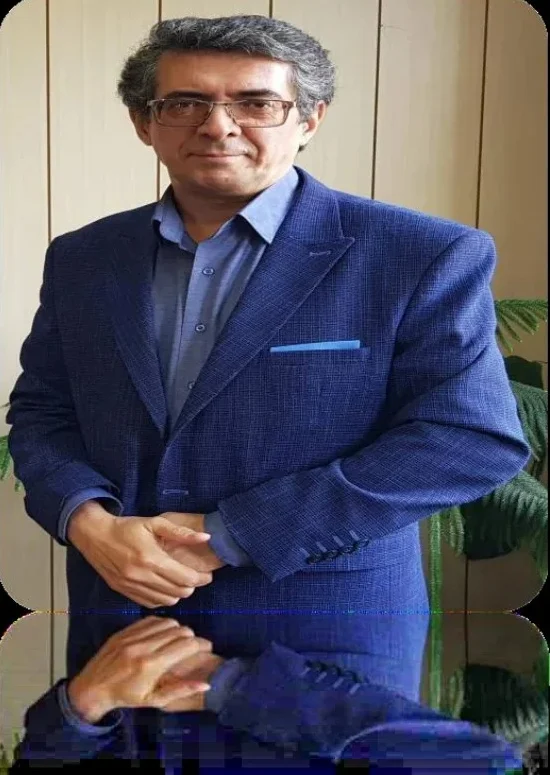
Managed by Mr. Maziar Ghalami, the department provides training in Adobe Premiere Pro and After Effects, color grading, and free workshops on AI video tools.
Video Editing and Post- Production focuses on the tools and decisions that shape a finished visual story. Training in Premiere Pro, After Effects, color grading, and AI video tools gives students a practical foundation for contemporary post- production workflows.
Student focus: editing rhythm, post- production workflow, motion graphics, color, digital tools, and visual storytelling.
Student activities and academic programs are designed to support creativity, practical experience, professional presentation, and participation in cultural and artistic events.
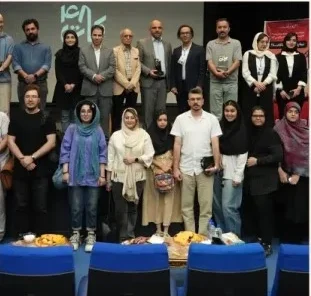
Academic and creative activities are designed to help students present their work with greater confidence and professionalism. Participation in events, workshops, and practical projects gives learners opportunities to strengthen portfolios, communication, and professional visibility.
Student value: creativity, presentation, practical experience, portfolio growth, and professional confidence.
Unit 48 supports an active student environment through academic, scientific, cultural, artistic, and sports activities.
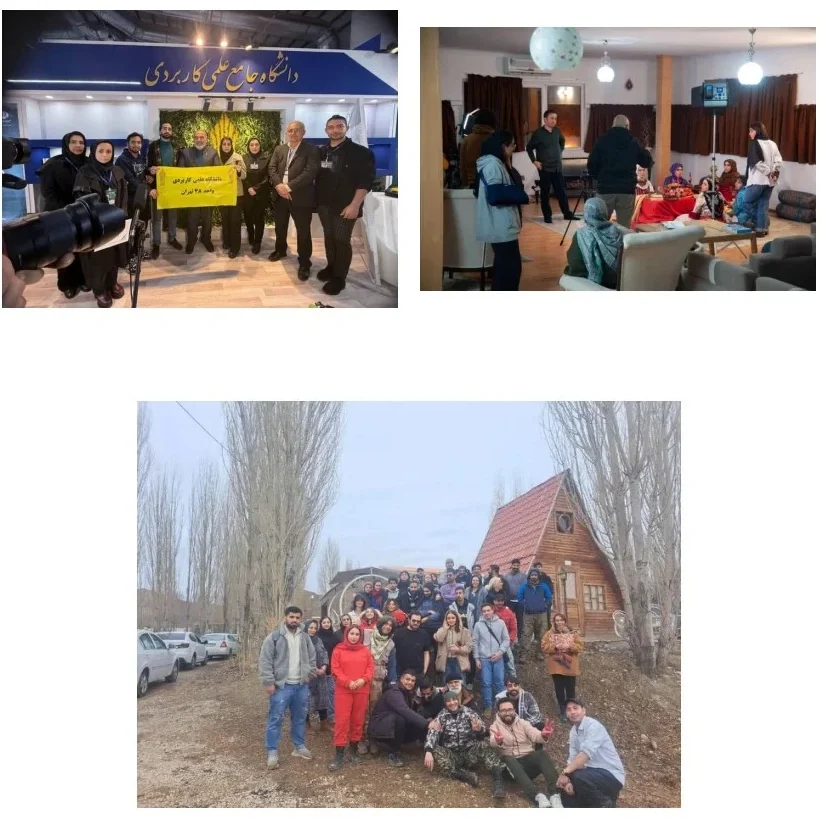
Academic life at Unit 48 extends beyond formal classes. Cultural, scientific, artistic, field, and sports activities create additional opportunities for students to collaborate, build relationships, explore interests, and develop the soft skills that support professional life.
Student value: teamwork, community, communication, creativity, wellbeing, and a more connected campus experience.
For admissions, academic programs, international inquiries, and general information, please contact Unit 48 through the official channels below.
EMAIL Khadamat.ac@gmail.com
WEBSITE Uast48ac.ir
PHONE 021- 66959319 – 23
INSTAGRAM Uast48
ADDRESS No. 12, Sarmad Alley, South Baradaran- e Mozaffar Street, Valiasr Intersection, Enghelab Street, opposite Tehran City Theater, Tehran, Iran
FINAL INTERNATIONAL EDITION
Prepared in American English for international presentation and email distribution.